
Off-Season Maintenance Tips for Your Off-Road Vehicle
When the trails quiet down and the off-road season wraps up, it’s the perfect time to give your rig some attention. Off-season maintenance helps you spot issues before they become bigger problems and ensures your vehicle is ready to roll when adventure calls again.
Most of these are things off-roaders handle throughout the year, but it’s always smart to give everything a complete once-over when the season ends. Whether you drive a Jeep, Bronco, Tacoma, or Ineos Grenadier, these off-road maintenance tips will help keep your setup in top shape for 2025 and beyond.
1. Clean Everything Thoroughly
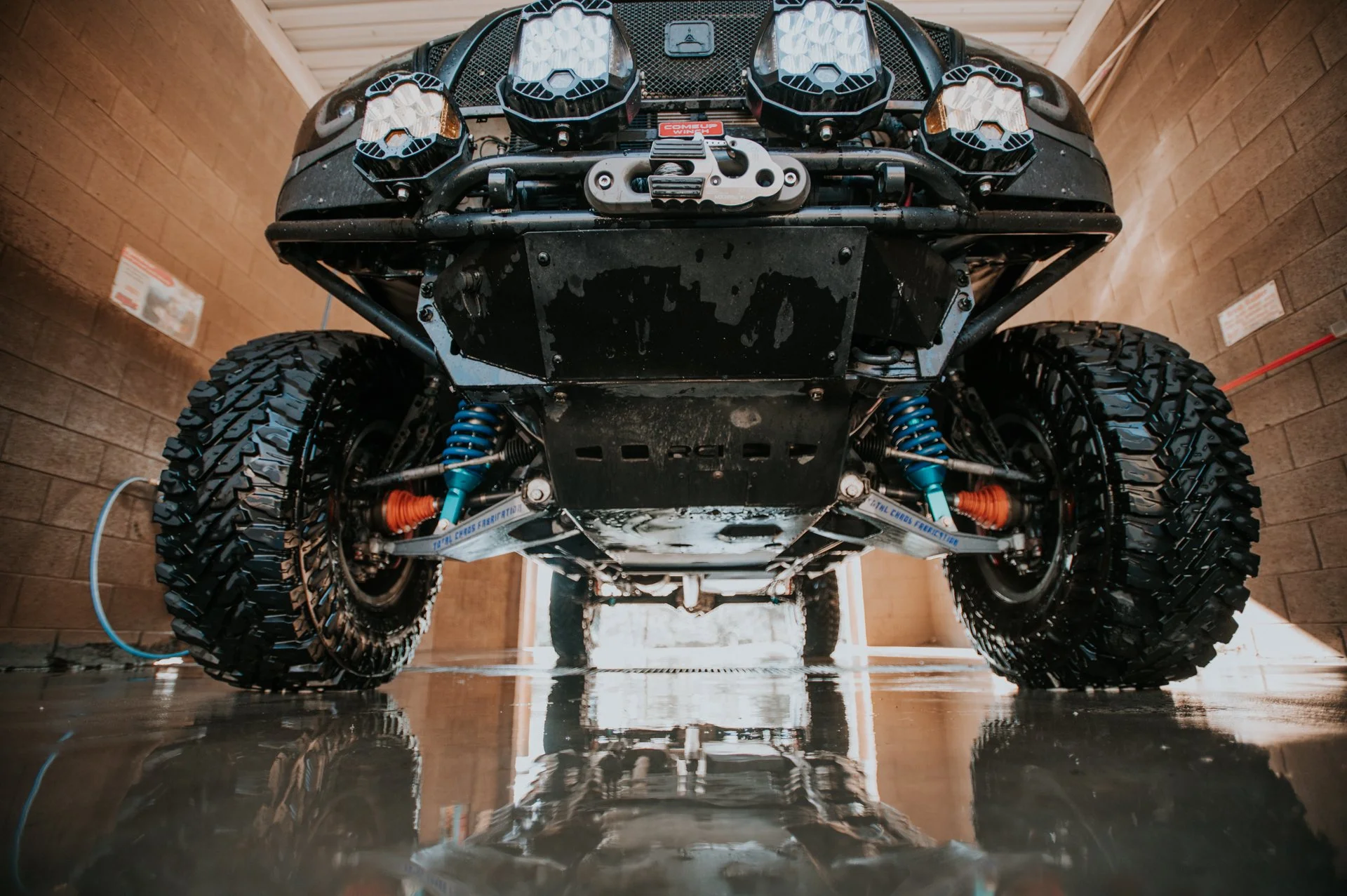
Start your off-season maintenance by giving your vehicle a deep clean from top to bottom. Mud, salt, and trail debris can cause corrosion and wear if left sitting for months.
Focus on the undercarriage, suspension components, and wheel wells—these areas collect the most grime. A pressure washer works great, but avoid forcing water into electrical connectors, bearings, or seals.
Once you’re done, let your vehicle dry completely. A clean rig makes it easier to spot leaks, cracks, or other issues during your inspection.
2. Inspect and Tighten Everything
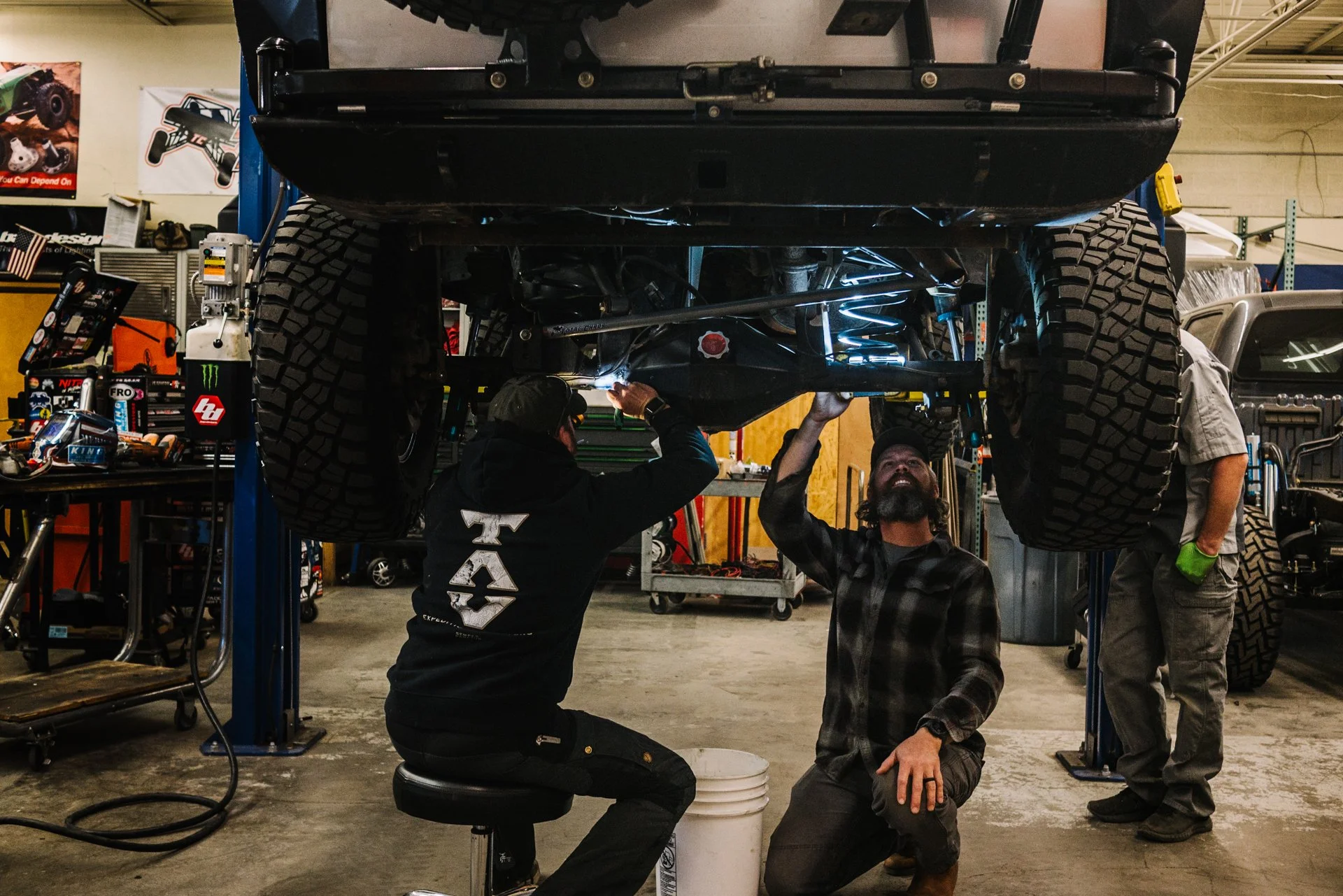
Off-roading takes a toll on every bolt and bracket. Go over your entire vehicle and check mounts, suspension bolts, skid plates, bumpers, roof racks, and recovery points.
Make sure everything is tight and secure. Use torque specs when possible, and consider marking bolts with paint or a torque stripe so you can easily spot movement next time. This step prevents rattles, misalignments, and potential trail failures later on.
3. Check All Fluids and Look for Leaks
Fluids are the lifeblood of your off-road vehicle. Inspect your oil, transmission fluid, differential fluid, coolant, brake fluid, and power steering fluid. Off-road driving—especially through water, mud, and steep climbs—puts extra stress on these systems.
If any fluid looks milky, dark, or smells burnt, it’s time to replace it. Don’t forget to check for leaks around gaskets, lines, and seals. Staying on top of fluids now saves headaches when you’re miles from the nearest road.
4. Tires and Wheels
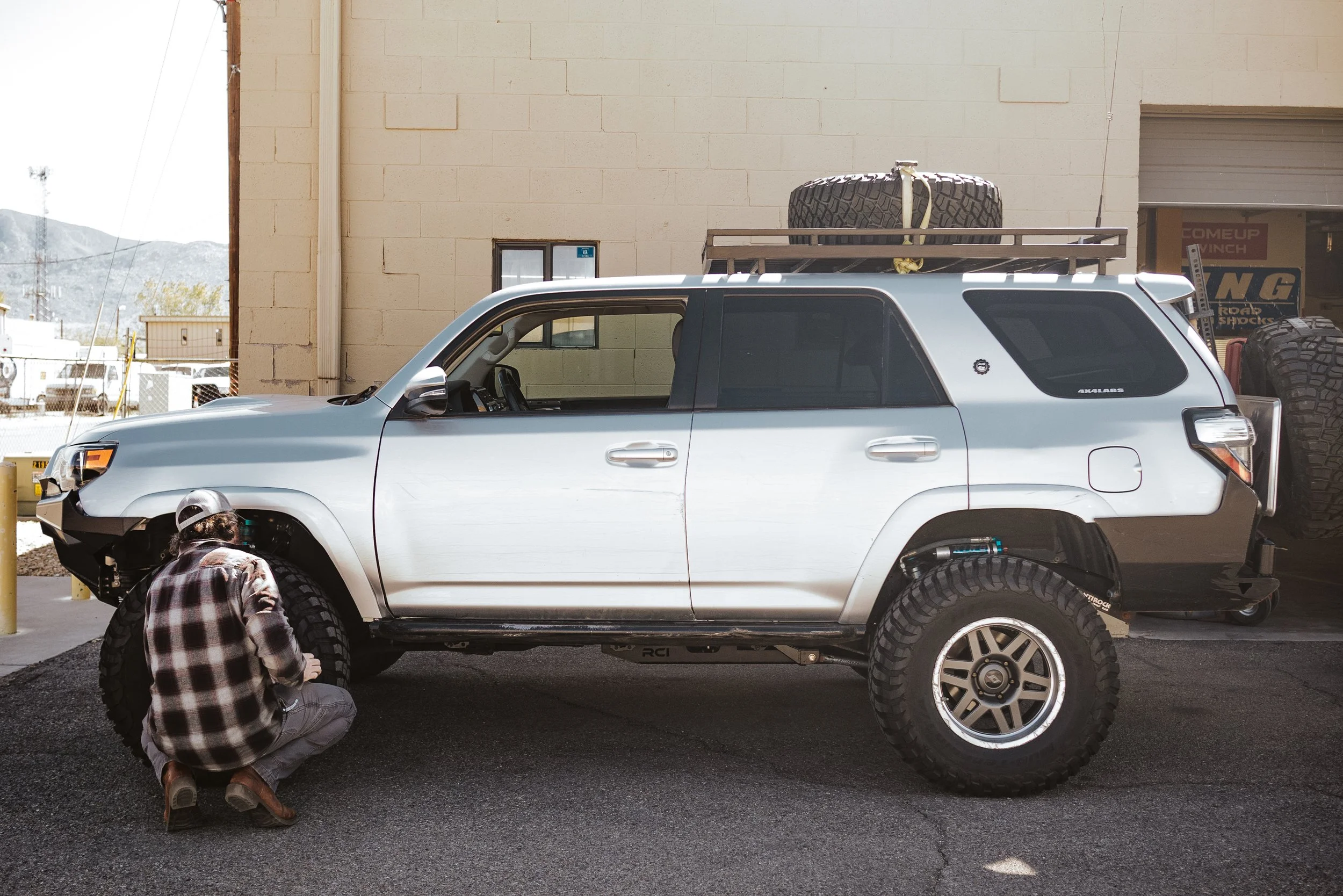
Tires are one of the most important components of your off-road setup. Start by giving them a deep clean, then inspect for cuts, sidewall cracks, punctures, or embedded rocks.
Check air pressure and make sure all tires (including the spare) are inflated to the proper PSI. Rotate your tires if needed to keep wear even. This is also a good time to check your beadlocks or lug nuts for torque and ensure the valve stems aren’t cracked.
Pro tip: Don’t forget your spare tire on every vehicle you own—trail or daily driver. You’ll thank yourself later.
5. Battery Care and Electrical Check
If your off-road vehicle will sit for a while, disconnect the battery or use a trickle charger to prevent discharge. Inspect the terminals for corrosion and clean them with a wire brush if needed.
Also, check your wiring harnesses, switches, and light connections. Off-road vibrations can loosen connections, and moisture can lead to corrosion over time.
6. Undercarriage and Rust Protection
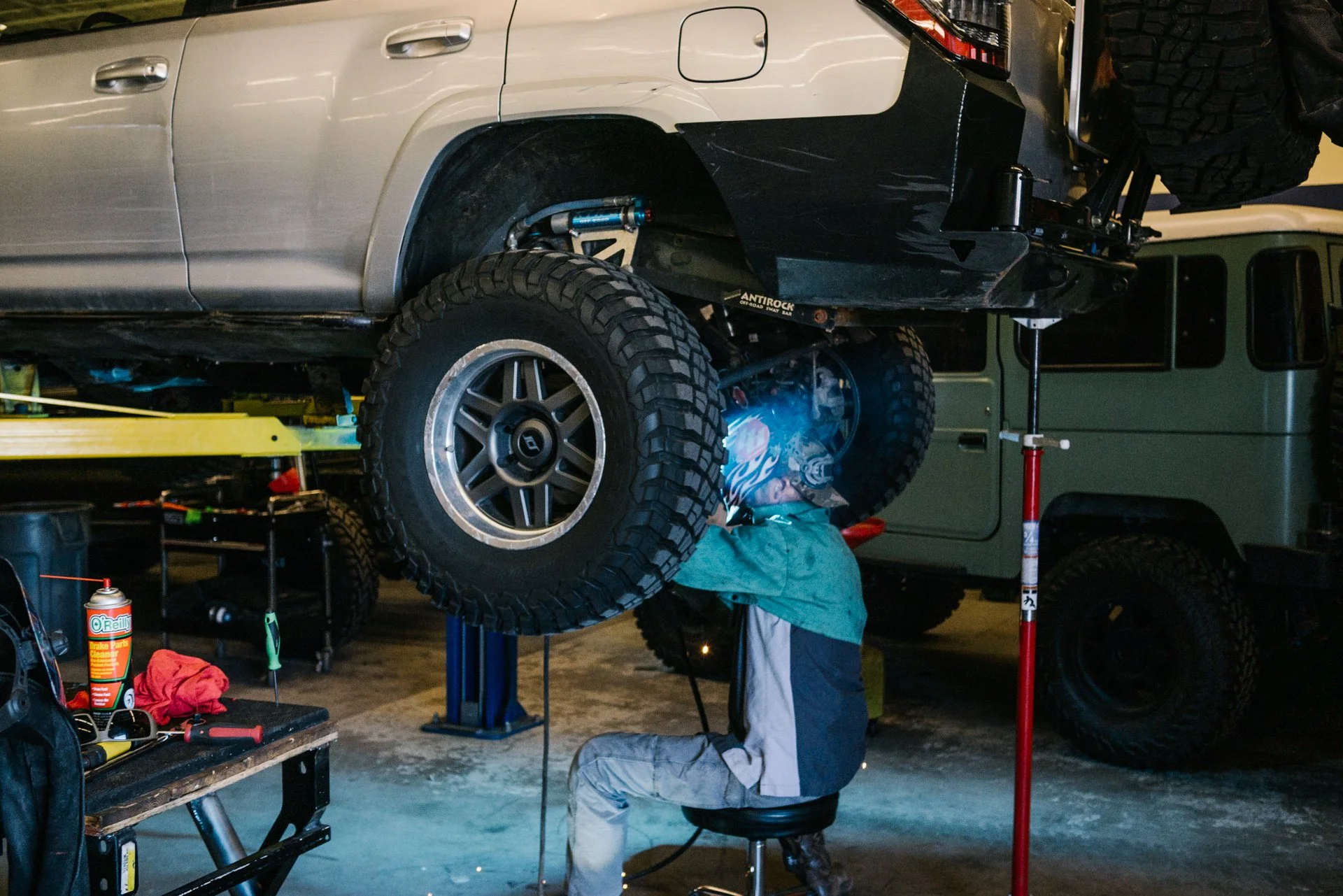
Take a close look at your skid plates, frame, and control arms. If you notice any bare metal or scraped areas from trail obstacles, sand them lightly and apply a rust inhibitor or protective paint.
This is also the perfect time to grease your suspension, U-joints, and driveshaft zerk fittings. A little grease now goes a long way in preventing wear and keeping things moving smoothly.
7. Air Filter and Intake System
Your air filter takes a beating during off-road adventures, especially in dusty or sandy conditions. Remove it and inspect for dirt buildup, moisture, or damage. Clean or replace the filter as needed, and check your intake tubing for cracks or loose clamps.
A clean air intake helps your engine breathe better and improves fuel efficiency and performance.
8. Recovery Gear and Overland Accessories
Your recovery gear is only as good as its condition. Go through your straps, shackles, winch line, and traction boards. Look for frayed edges, rust, or any signs of wear.
Clean and dry your gear before storing it. This is also a great time to organize your recovery kit and make sure nothing went missing during the season.
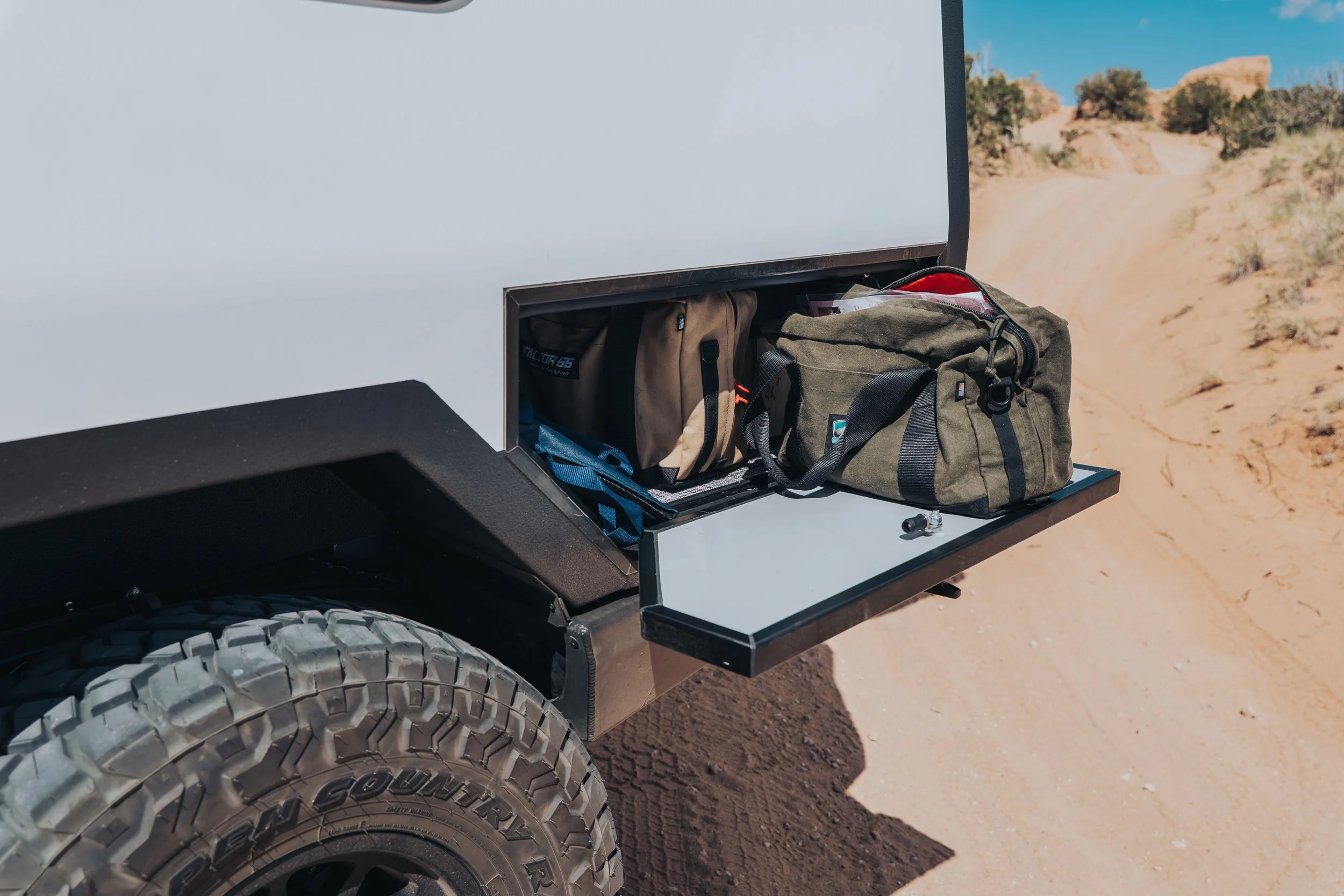
If you use overland accessories like rooftop tents, solar setups, or portable fridges, give them a quick inspection and test. Make sure everything functions properly before your next trip.
9. Interior and Electronics
Give your interior a deep clean—vacuum carpets, wipe down surfaces, and clean out storage bins. Check your dash controls, auxiliary switches, and radios to ensure everything is working properly.
If you’ve been in wet or humid environments, inspect under mats and in cargo areas for moisture or mold. Keeping the inside clean prevents smells, corrosion, and electrical problems.
10. Plan for Upgrades and Next Season
With your rig cleaned, inspected, and stored, take a few minutes to reflect on the past season. What gear worked great? What failed or could use an upgrade?
The off-season is the perfect time to add upgrades like better lighting, suspension components, bumpers, or armor. You’ll have time to install everything properly without the rush before your first big trip of 2025.

Final Thoughts
Off-season maintenance might not be as thrilling as carving through rocky trails or splashing through mud, but it’s what keeps your off-road vehicle reliable and ready for the next adventure. A few hours of attention now means fewer breakdowns and more miles of fun next year.
If you’d like a professional check-up, give us a call—we can schedule a time to go over your vehicle and make sure you’re trail-ready for 2026.
